

Air-Fryer Seafood That Stays Juicy: What Works and What Dries Out
Share
The air fryer is excellent for fast seafood dinners, but it is not automatically gentle. Hot circulating air can crisp a surface quickly, yet it can also pull moisture from lean fish and overcook prawns in minutes. The difference between juicy and dry usually comes down to choosing the right seafood, controlling thickness, and checking earlier than you think.
For busy Singapore households, the air fryer still earns its place. It heats quickly, keeps splatter contained, and makes small portions easy on weeknights. Use it like a compact high-heat oven, not a magic box, and seafood becomes one of the quickest proteins you can cook well.
Seafood That Works Best in an Air Fryer
Firm fish fillets
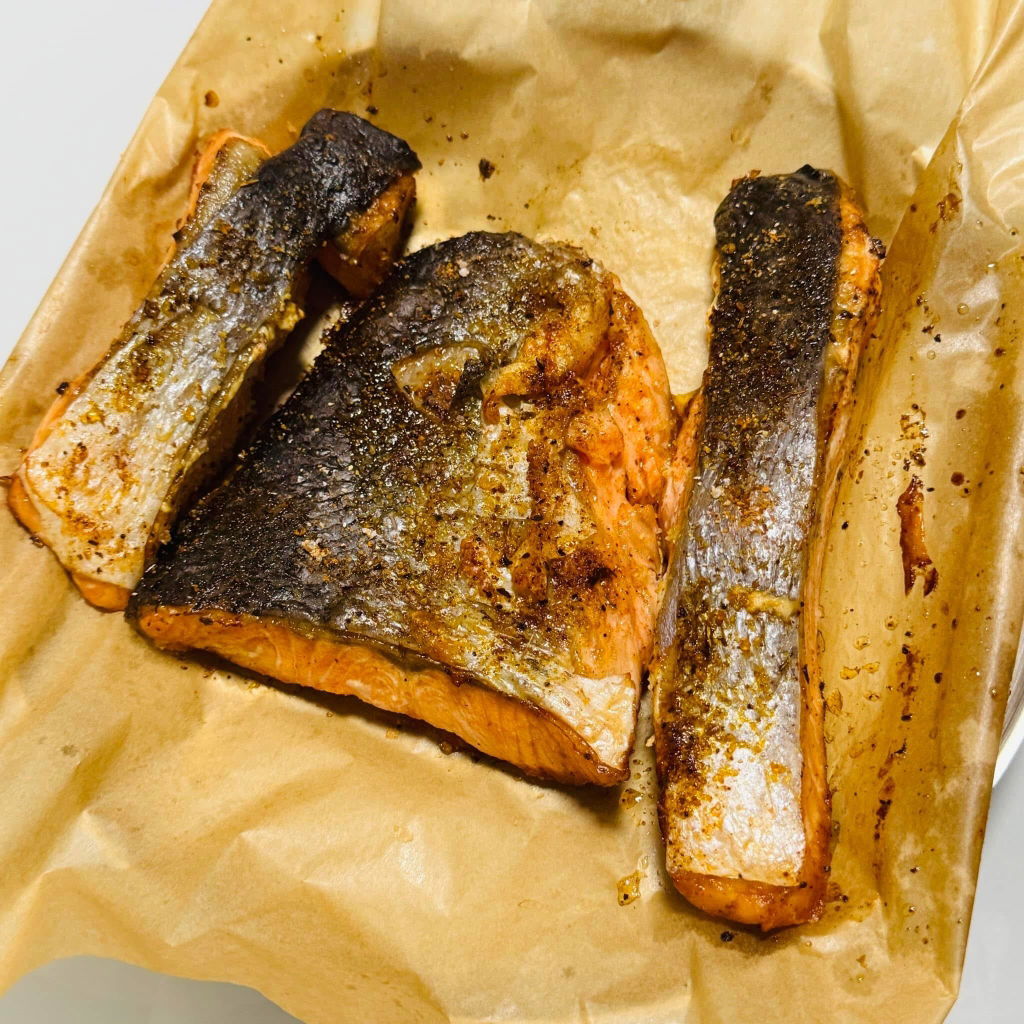
Salmon, halibut, seabass, snapper, and other reasonably thick fillets are strong choices. Their structure helps them stay intact when moved, while an oil-based marinade or glaze protects the surface. Skin-on portions can become especially appealing because the circulating heat helps dry and crisp the skin.
Large prawns
Medium-large to large prawns cook quickly and take seasoning well. Shell-on prawns retain moisture better, while peeled prawns offer convenience. The important point is consistency: prawns of similar size finish together. Mixed sizes usually mean the small ones turn firm before the large ones are done.
Half-shell scallops
The shell acts like a small cooking dish, holding butter, garlic, or sauce close to the scallop. This reduces direct exposure to hot air and gives you a wider margin before the meat dries. Arrange the shells level so the juices stay where they belong.
Breaded seafood
Fish fingers, breaded fillets, and coated prawns are natural air-fryer candidates. A light spray of oil helps the coating brown evenly. Leave space between pieces so the hot air reaches the sides instead of creating a pale, steamed surface.
Seafood That Needs More Care
Thin white fish
Very thin fillets can go from translucent to dry before they develop much colour. Fold the thin tail under, brush the surface with oil, and check it early. A parchment liner can reduce sticking, but avoid covering the entire basket because airflow is still needed.
Small scallop meat
Small scallops have little room for error. Dry them well, toss lightly with oil, and cook in a single layer. If you want deep browning, a hot frying pan is often the better tool because it colours the surface before the centre overcooks.
Squid and cuttlefish
Squid generally prefers very fast cooking or a much longer gentle braise. The air fryer sits in the risky middle when timing is loose. Use evenly cut pieces, high heat, and a short cooking time. Remove them as soon as they turn opaque and curl. Extra minutes will make them chewy.
The Four Rules That Keep Seafood Juicy
- Thaw properly. Defrost frozen seafood in the refrigerator, then pat it dry. Surface ice creates steam, delays browning, and makes timing less predictable.
- Add a thin layer of fat. A little oil, melted butter, mayonnaise, or a moist glaze slows surface drying and helps seasoning adhere.
- Match the pieces. Cut portions to a similar thickness. If one end is thin, fold it under or remove that portion earlier.
- Check before the timer ends. Air fryers vary in power and basket size. Treat recipe times as a starting point, then inspect the thickest piece.
A Simple Weeknight Method
Preheat the air fryer if your model recommends it. Lightly oil the seafood and season just before cooking. Arrange pieces in one layer with a little space between them. Start with a moderate-high temperature, around 180°C to 200°C depending on the coating and thickness.
Turn or shake only when useful. Delicate fish may break if handled unnecessarily, while prawns and breaded pieces benefit from being turned once. Fish is ready when the centre is opaque and separates into moist flakes. Prawns should be just firm and pink, not tightly curled into small rings. Scallops should be opaque at the edges with a tender centre.
Rest fish for two minutes after cooking. Carry-over heat will finish the centre, which is why removing it slightly earlier is often the right call. Serve immediately, as lean seafood loses moisture while sitting in a hot basket.
Three Easy Singapore-Friendly Flavour Ideas
- Miso ginger fish: Mix white miso, grated ginger, a little honey, and oil. Brush a thin layer over a thick white fish fillet.
- Sambal lime prawns: Coat large prawns lightly with sambal and oil, then finish with lime after cooking.
- Garlic butter scallops: Spoon garlic butter over half-shell scallops and air-fry until just opaque.
Avoid thick sugary marinades at the start because they can burn before the seafood cooks through. If you want a sticky glaze, apply a light coating first and add a second layer near the end.
When the Air Fryer Is Not the Best Tool
Use a steamer when you want the softest texture and a generous sauce. Use a frying pan when fast surface browning matters, especially for small scallops or very thin fillets. Use a pot for seafood curry, soup, or a longer braise. Good cooking is not about forcing every ingredient into one appliance. It is about choosing the method that protects the ingredient.
Build a Better Air-Fryer Seafood Dinner
Start with evenly portioned seafood, keep the seasoning simple, and prepare rice or vegetables before the fish goes in. That way, the seafood can move straight from the basket to the table at its juiciest. Browse Pan Ocean Singapore's seafood collection for convenient fish, prawns, scallops, and more for your next quick dinner.
Free delivery above $60. Order by 4PM for next-day delivery.
1 comment
Air fryers are super convenient lah, but you still need to watch the timing closely so your fish stays moist and the prawns don’t turn rubbery.Telkom University Jakarta